
Work Text:
A collection of works exploring despair, isolation, and the human condition

The Scream
Edvard Munch
The agonized face in the painting has become one of the most iconic images in art, seen as representing a profound experience of existential dread. Munch created the work after experiencing a moment of intense anxiety during a sunset walk, where he sensed "an infinite scream passing through nature."
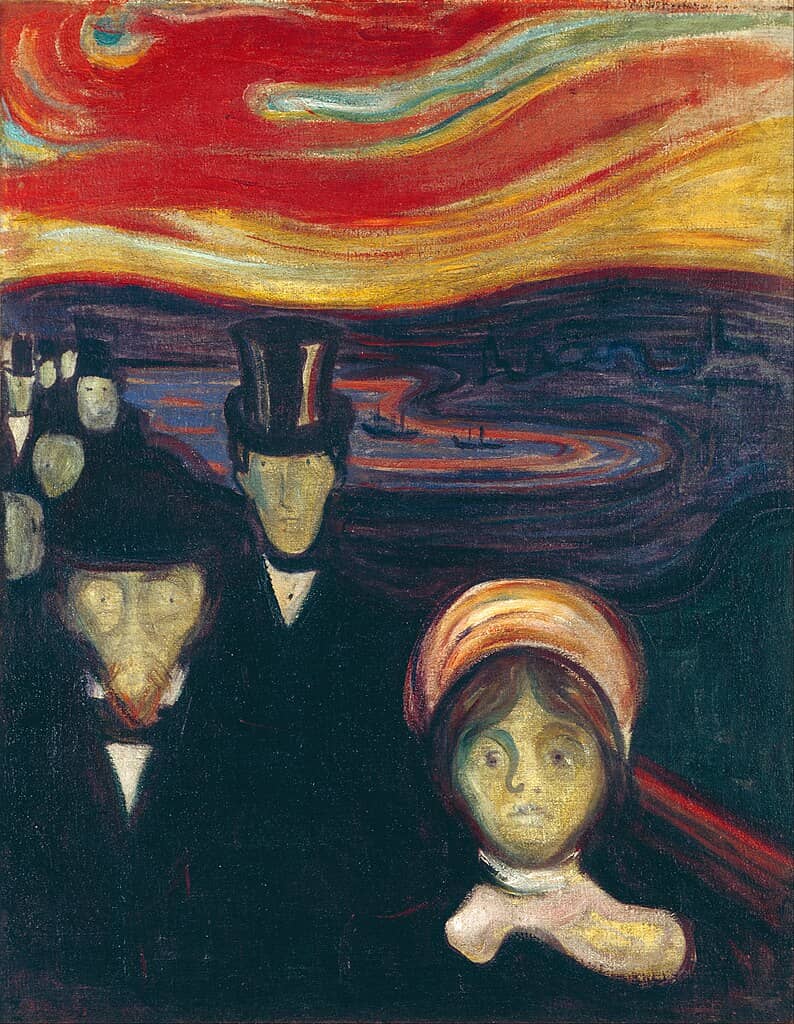
Anxiety
Edvard Munch
"Anxiety" explores collective despair, drawing on earlier works like "Evening on Karl Johan Street" and "The Scream". The painting depicts a group experiencing angst, with similar landscape elements to "The Scream", representing the broader Norwegian and North European existential aesthetic.
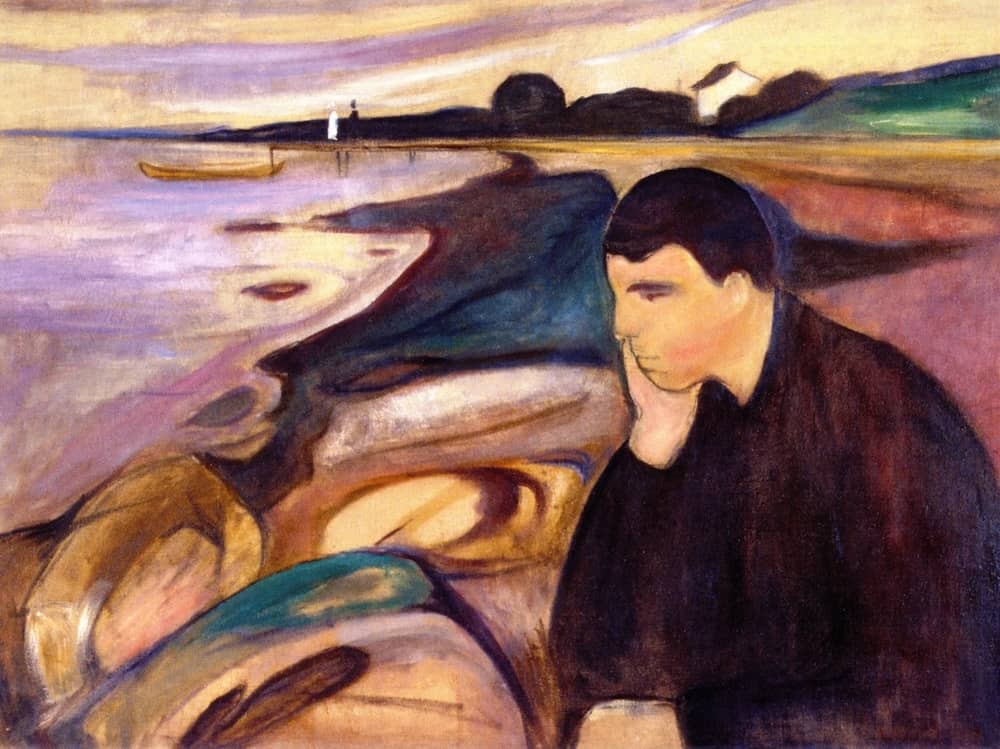
Melancholy
Edvard Munch
The painting depicts Nilssen sitting miserable among the rocks on the shore at Asgardstrand and represents his jealousy over Oda Krohg and Christian Krohg. It's a symbolic composition showing Nilssen in profile with a distant scene of a couple in a boat.
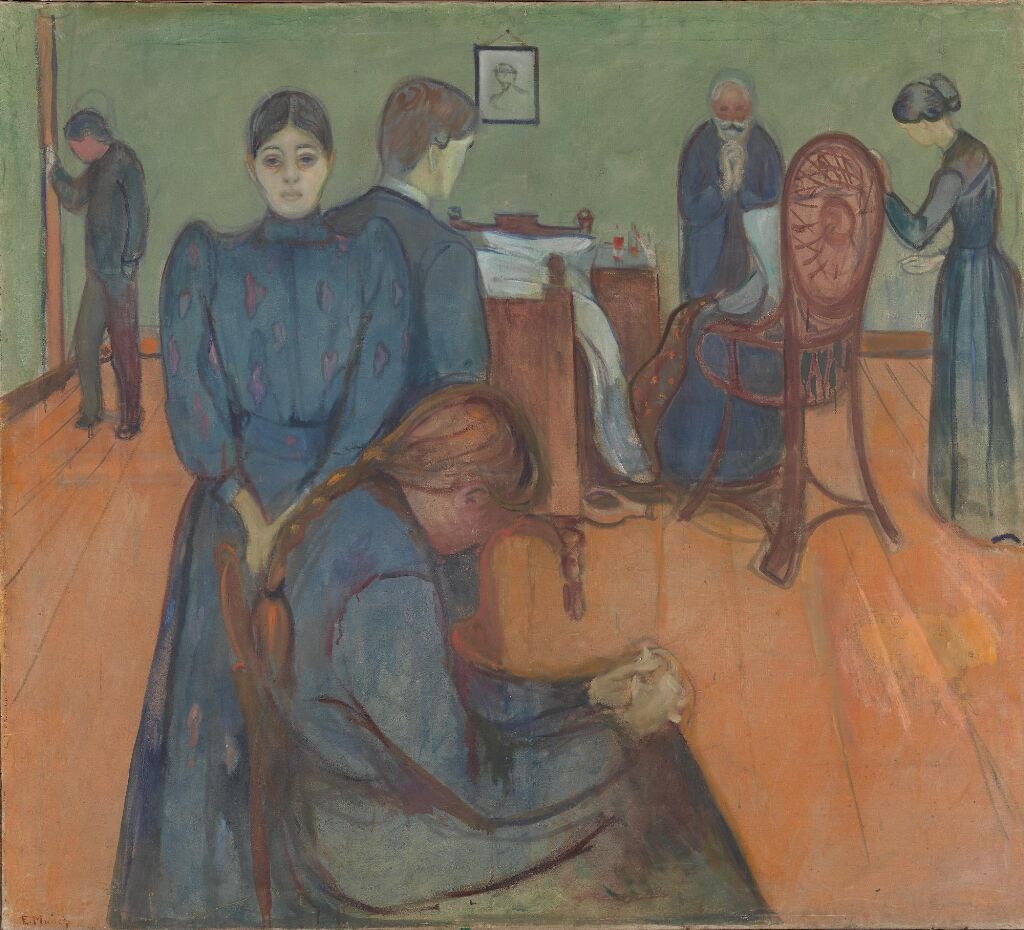
Death in the Sickroom
Edvard Munch
The painting depicts Munch's family gathered around his dying sister Sophie, representing a deeply personal scene of grief. As Munch himself noted, "I paint not what I see, but what I saw," capturing an emotionally charged memory of illness and loss from his childhood.

At Eternity's Gate
Vincent van Gogh
The painting depicts an elderly man with a bald head sitting on a yellow chair, holding his head in his hands in a posture of deep sorrow or contemplation. Created in 1890 during a difficult period of Van Gogh's life, the work is a poignant representation of human despair and spiritual reflection.
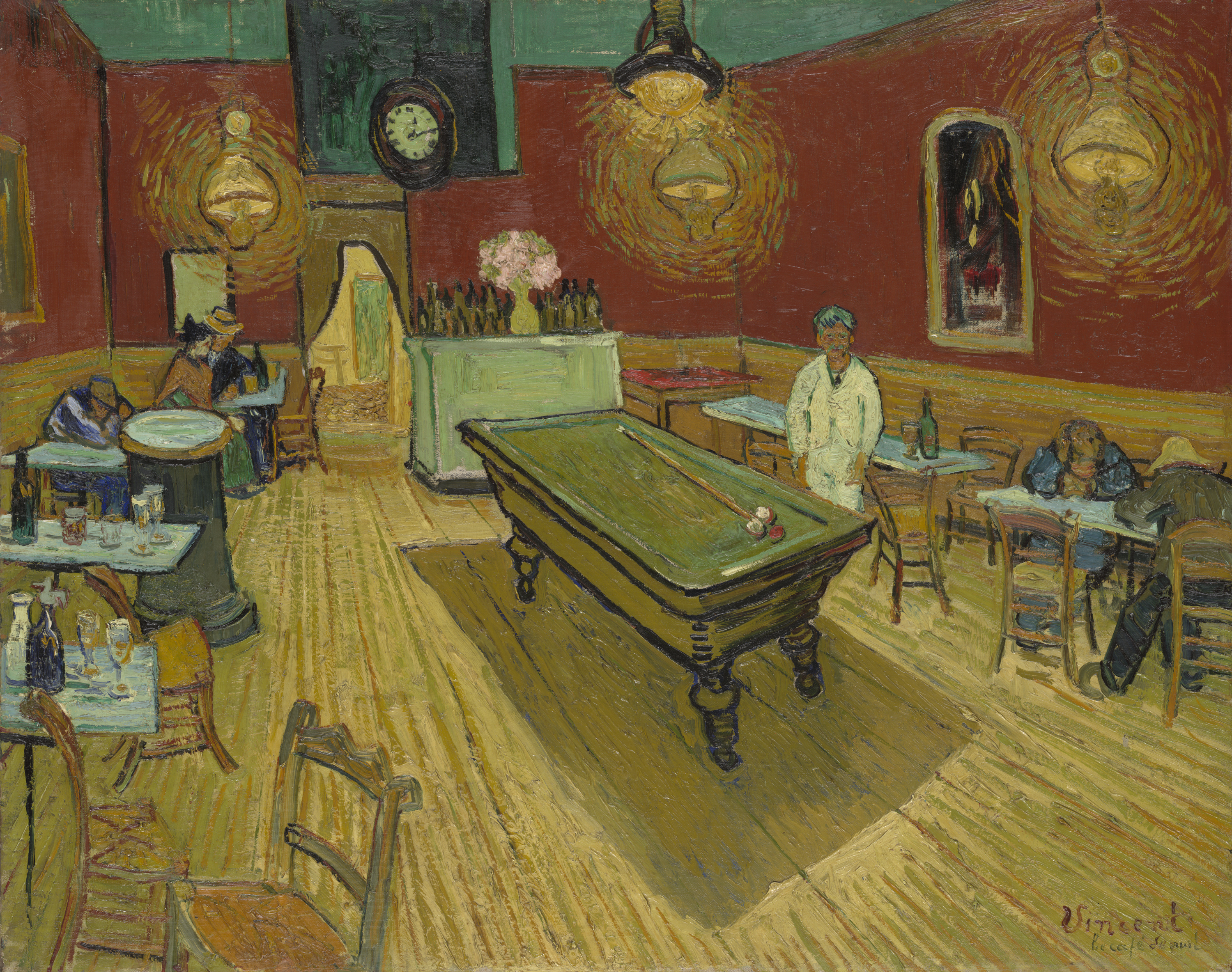
The Night Café
Vincent van Gogh
The painting depicts the interior of a late-night café in Arles, France, with vivid, contrasting colors and a perspective that draws viewers into the scene. Van Gogh aimed to express "the terrible passions of humanity" through his use of intense reds and greens, portraying a space of isolation and potential despair.
Christ's Entry into Brussels in 1889
James Ensor
A post-Impressionist work parodying Jesus' triumphal entry into Jerusalem that depicts a chaotic carnival procession with Christ almost hidden among grotesque masked figures. It is considered Ensor's most famous composition and a precursor to Expressionism.
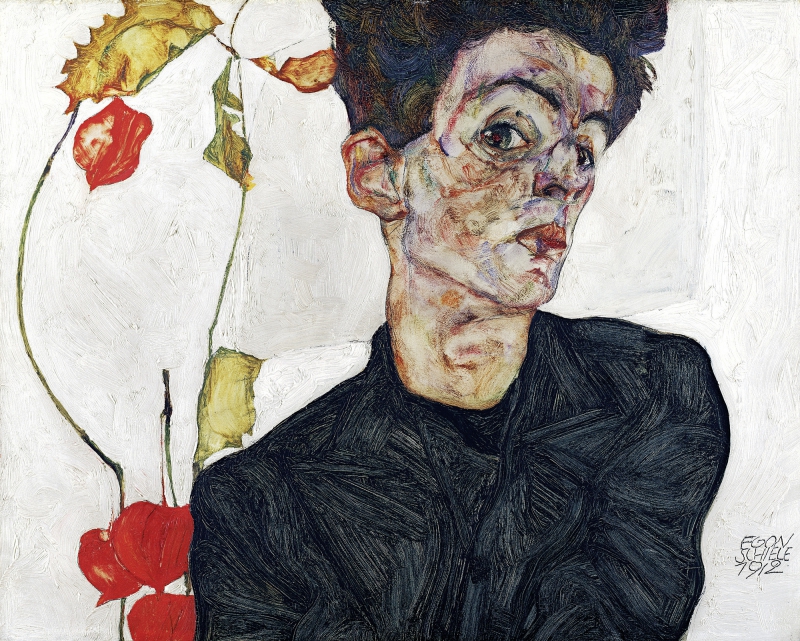
Self-Portrait with Physalis
Egon Schiele
This self-portrait shows Schiele at the height of his artistic prowess, with his head turned right and gazing directly at the observer. The work features a balanced composition with sharp lines and virtuoso color application, demonstrating his mastery where "each line has found its continuation or a counterpart."

Death and the Maiden
Egon Schiele
Created during World War I, this painting depicts a woman embracing a figure of death, illustrating the contrast between death and the maiden. It reflects Schiele's enduring preoccupation with mortality and the human psyche, themes that permeated his work throughout his career.
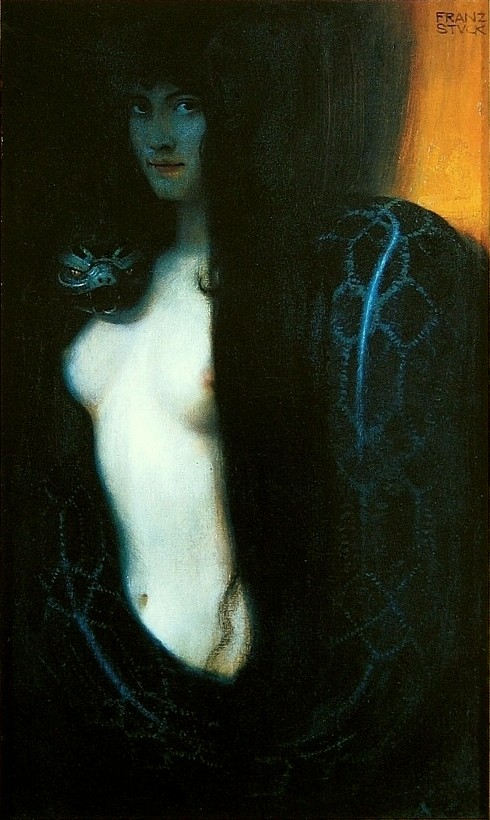
The Sin
Franz von Stuck
This symbolist painting depicts a nude woman with a large snake coiled around her body, representing the idea of sin and exploring themes of temptation, sexuality, and moral danger. The work became an emblematic painting for the symbolist movement and marked a critical breakthrough for Stuck's artistic career.

L'Absinthe
Edgar Degas
The painting portrays a woman and man sitting side-by-side in a cafe, drinking a glass of absinthe, appearing lethargic and lonely. It was controversial when first exhibited, with critics finding it ugly and disgusting, as it represented a shocking depiction of social degradation in late 19th-century Paris.
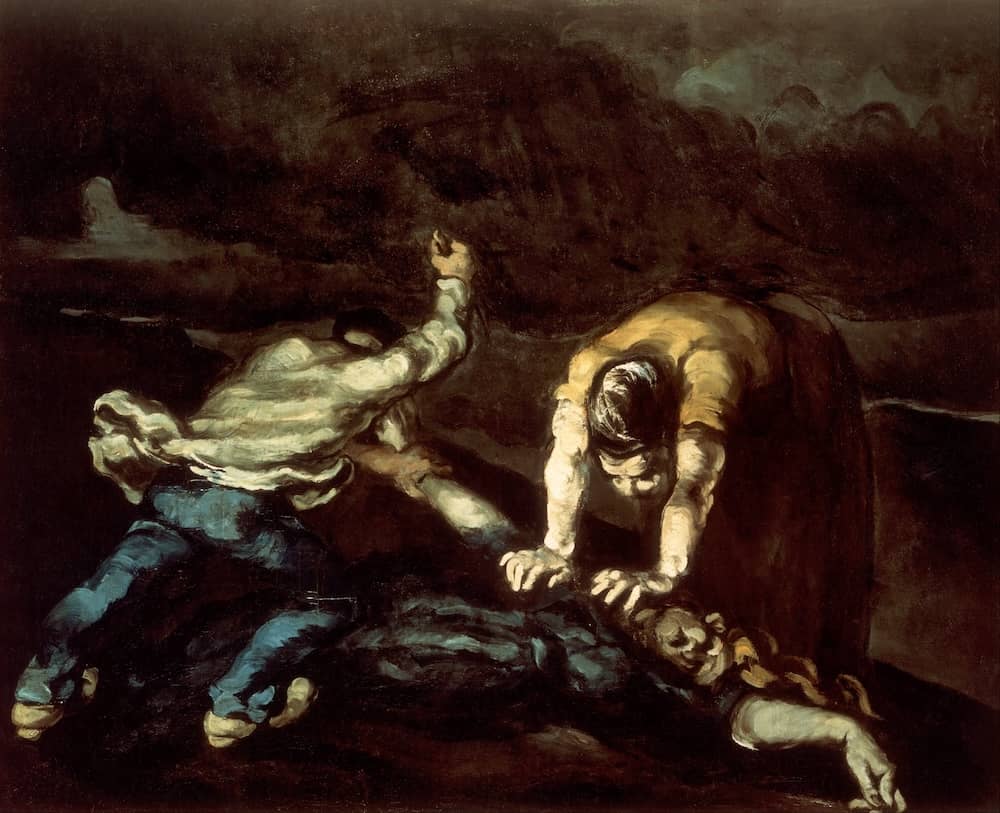
The Murder
Paul Cézanne
This early, dramatic painting depicts a violent scene with two murderers attacking a victim in a menacing landscape. The work reflects Cézanne's early romantic period, influenced by Old Masters like Delacroix and Goya, and may have been inspired by Émile Zola's novel "Thérèse Racquin" or contemporary press illustrations.
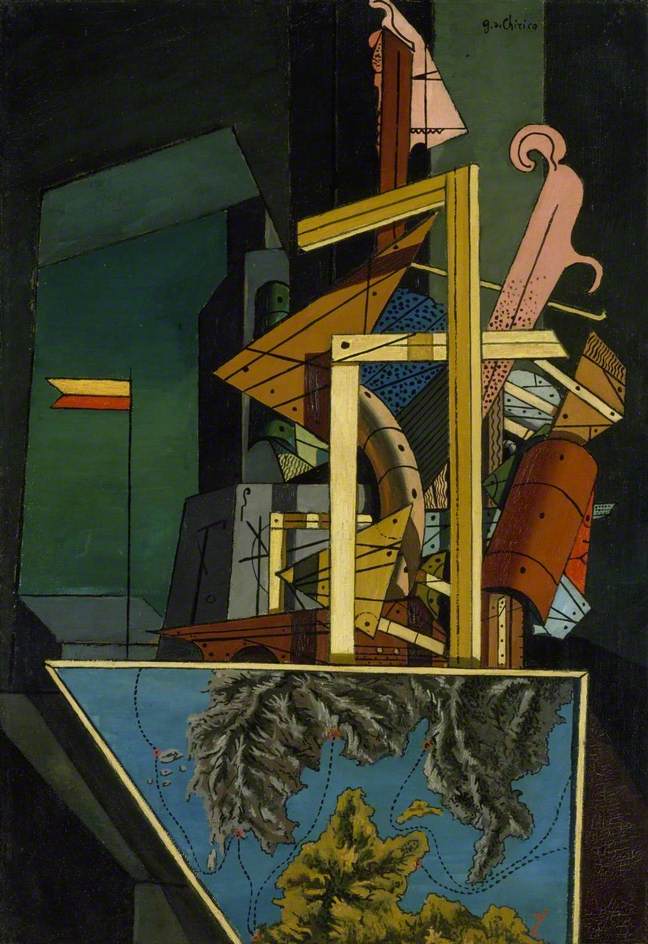
The Melancholy of Departure
Giorgio de Chirico
Depicts a random cluster of objects used to make paintings, and an easel which holds up a triangular map. The painting was created after Chirico returned to Italy from Paris during World War I, and it explores themes of travel and departure through abstract combinations of objects.
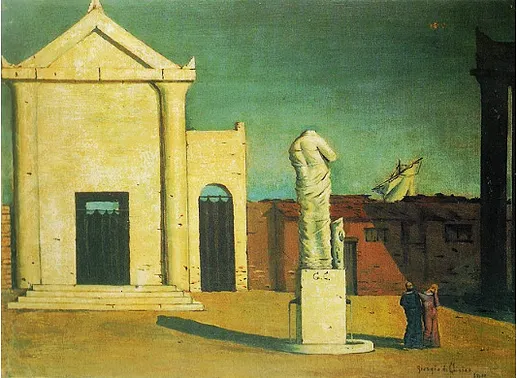
The Enigma of an Autumn Afternoon
Giorgio de Chirico
Painted at the beginning of 1910 in Florence, this is the first of de Chirico's 'Metaphysical Town Square' series and his earliest Metaphysical painting. The work features unusual, long shadows cast by unseen objects onto empty city spaces, contrasting starkly with bright, clear light rendered in brooding green tonalities. It was inspired by what de Chirico called a "revelation" that he experienced in Piazza Santa Croce in Florence.

The War (triptych)
Otto Dix
A powerful anti-war artwork depicting the horrors of World War I, inspired by Dix's own experiences as a machine gunner. The triptych uses a restricted palette of mainly dark colours to represent death and decay and the brutal reality of war.

The Persistence of Memory
Salvador Dalí
A surrealist painting featuring soft melting pocket watches that symbolizes the relativity of space and time. The artwork depicts a dreamlike landscape with distorted clocks draped across a barren scene, challenging traditional perceptions of time and reality.

The Lugubrious Game
Salvador Dalí
A Surrealist painting created in 1929 that was significant in Dalí's artistic journey, as its creation led to Dalí becoming an official member of the Surrealist movement. The painting was also analyzed by Georges Bataille in the magazine Documents.
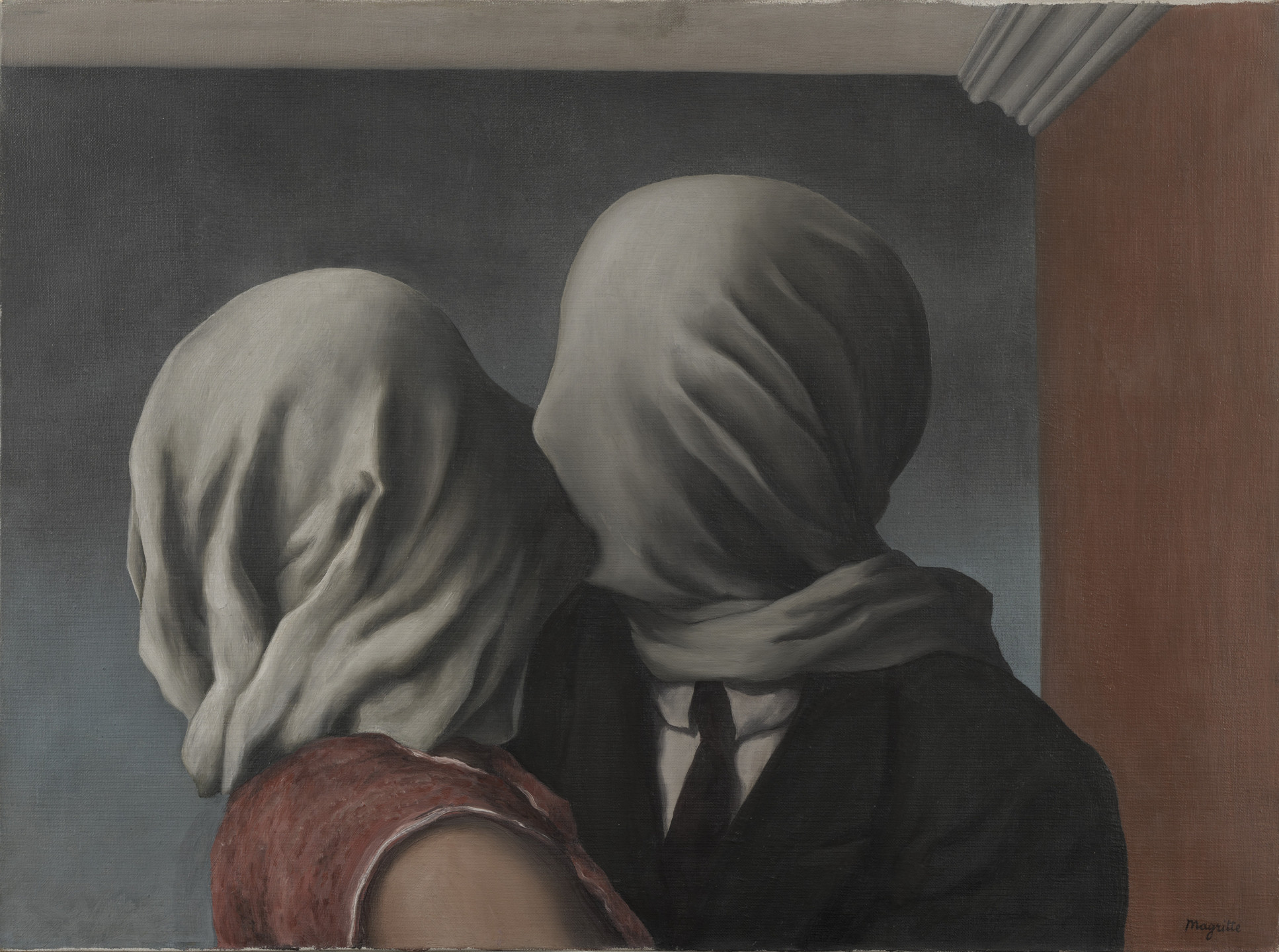
The Lovers
René Magritte
Two people can be seen kissing passionately with their faces covered in a white cloth hiding their identities. The barrier of fabric transforms an act of passion into an act of frustration. This is the first in a series of four variations Magritte created the same year.

The False Mirror
René Magritte
A surrealist painting depicting a human eye framing a cloudy, blue sky where the clouds take the place normally occupied by the iris. The work is considered significant in Magritte's surrealist portfolio and has reportedly inspired the CBS television network's iconic eye logo.
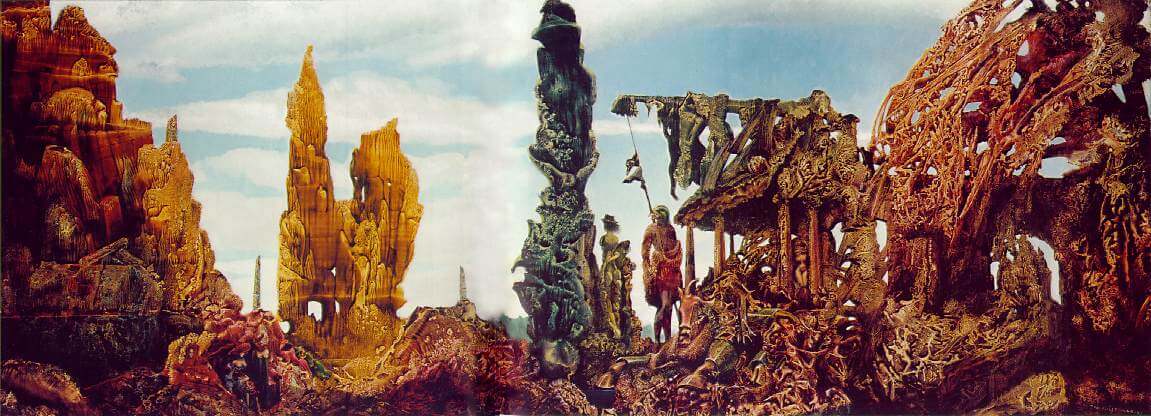
Europe After the Rain II
Max Ernst
A ravaged landscape reminiscent of twisted wreckage and rotting organic proliferation that depicts the emotional and physical devastation of World War II. Created during 1940-42, the painting reflects Ernst's personal experience of fleeing the Gestapo and his disgust at the effects of war. The artwork explores themes of war's destruction and the potential collapse of European civilization, featuring surreal elements like a helmeted, bird-headed soldier.

Indefinite Divisibility
Yves Tanguy
A surrealist work by Yves Tanguy featuring his characteristic biomorphic forms in a dreamlike landscape.

Nighthawks
Edward Hopper
Portrays four people in a downtown diner late at night, viewed through a large glass window. The painting illuminates a darkened urban streetscape and is considered one of the most recognizable paintings in American art, capturing the loneliness of city life through its stark, isolated scene.

Automat
Edward Hopper
Depicts a lone woman staring into a cup of coffee in an automat at night with a stark, reflective window behind her. It is considered a poignant representation of urban isolation, capturing a moment of solitude in a public space during the 1920s.
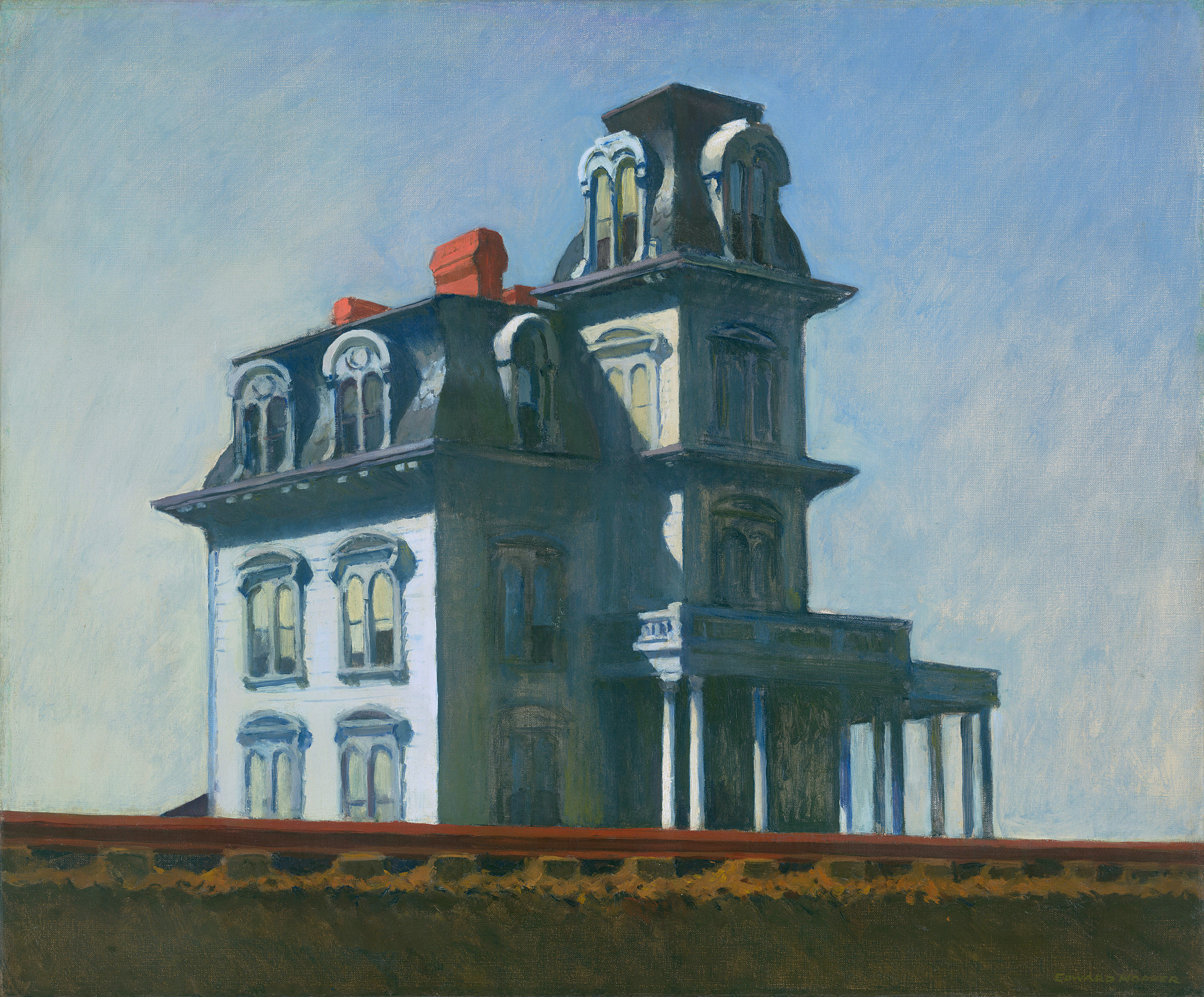
House by the Railroad
Edward Hopper
A painting of a Second Empire style Victorian mansion located near railroad tracks in Haverstraw, New York. The artwork is notable for reportedly inspiring the house designs in films like "Psycho" and "The Addams Family."

Office in a Small City
Edward Hopper
Depicts a man sitting in a corner office surveying the cityscape outdoors. It exemplifies Hopper's signature style of portraying loneliness and beauty in a uniquely stark yet pleasing fashion.

Christina's World
Andrew Wyeth
Depicts Anna Christina Olson, a woman with a degenerative muscular disorder, crawling across a field towards a gray house. The painting is considered an iconic work of mid-20th century American art, capturing Olson's resilience and Wyeth's intimate portrayal of rural life.
Unable to locate specific artwork
The Sleepwalkers
Paul Delvaux
A surrealist work featuring Delvaux's characteristic dreamlike nocturnal scenarios. While "sleepwalkers" is a recurring theme throughout Delvaux's work, a specific painting with this exact title from 1942 could not be verified.

The Tilled Field
Joan Miró
A stylized landscape depicting Miró's family farm in Mont-roig del Camp, Catalonia. The painting is considered one of his first Surrealist works and features a complex composition with muted yellow and brown tones, populated by stylized human, animal, and plant forms. The work represents a pivotal moment in Miró's artistic development as he transitioned toward Surrealism.

Self-Portrait as a Soldier
Ernst Ludwig Kirchner
The painting depicts Kirchner as a soldier after his medical discharge from World War I, showing him with a bloodied hand stump and a nude female figure in the background. It is considered a testimony to Kirchner's volatile mental and physical health and as a critique of the chaotic instability of Germany during the early 20th century. The severed hand symbolizes the artist's fear that the war would destroy his ability to create art.

The Bride of the Wind
Oskar Kokoschka
An allegorical self-portrait depicting Kokoschka lying alongside his lover Alma Mahler (widow of composer Gustav Mahler). The painting shows Alma peacefully sleeping while Kokoschka is awake and staring into space, reflecting their passionate but ultimately doomed romantic relationship. The tempestuous brushwork and swirling composition mirror the emotional intensity of their affair.
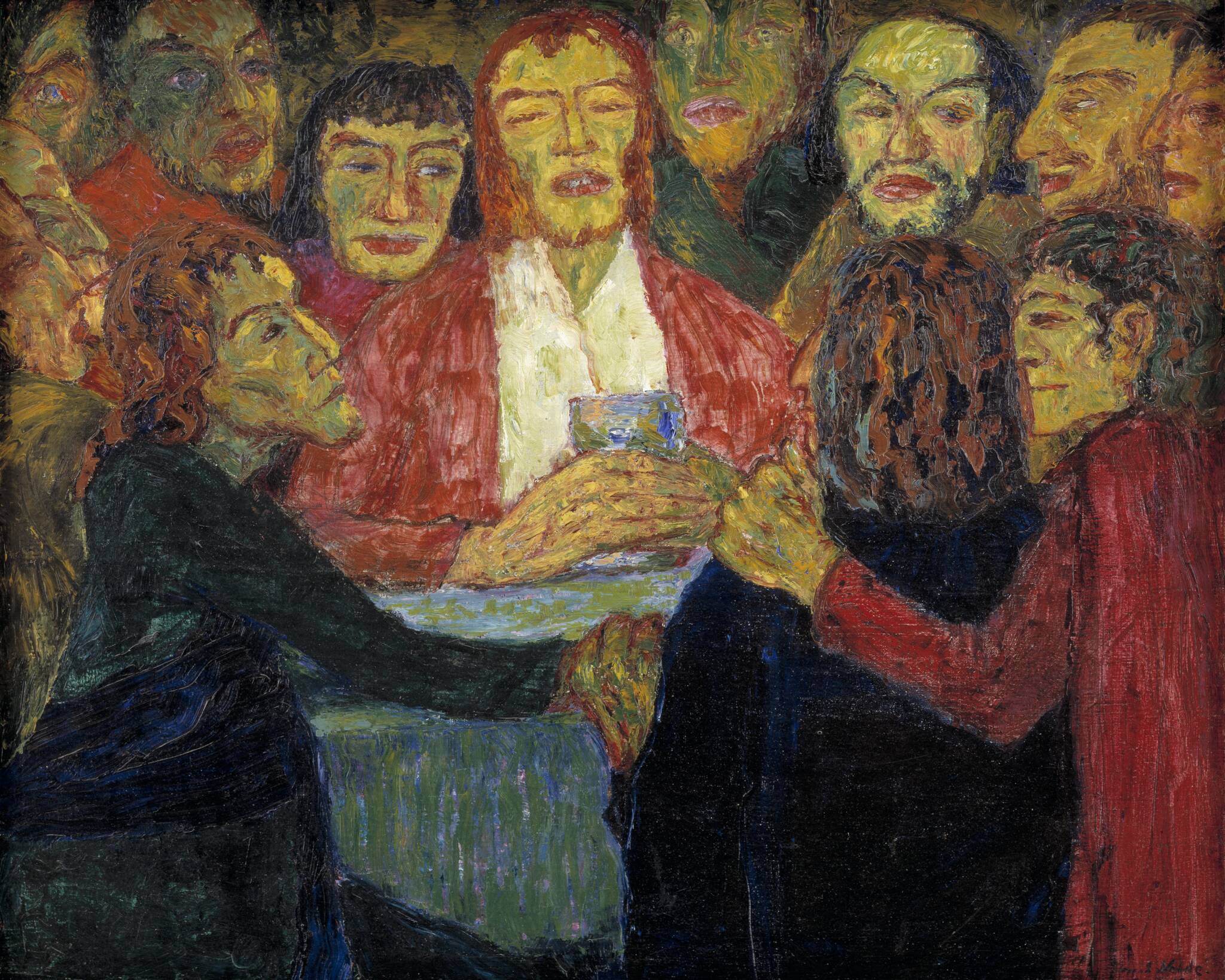
The Last Supper
Emil Nolde
Nolde adopts an expressionist approach, presenting Jesus and the Apostles around a table in the Last Supper, but with expressive colours and ignoring the surrounding space. The painting focuses more on its characters and their psychological force rather than traditional religious iconography.

The Funeral (Dedicated to Oskar Panizza)
George Grosz
The painting depicts a funeral procession in a modern urban city as an infernal abyss populated by twisted and grotesque attendants. Grosz described it as a "protest against a humanity that had gone insane," combining elements of Futurism and Cubism to critique societal decay in post-World War I Germany.

We Are Making A New World
Paul Nash
The painting depicts a desolate World War I landscape with skeletal remains of blasted trees and a bright white sun rising over the devastation. It is considered one of the best British paintings of the 20th century and was Nash's first major work, serving as a powerful anti-war statement about the destruction caused by conflict.

The Carcass of Beef
Chaim Soutine
The painting is part of Soutine's famous carcass series, inspired by Rembrandt's "Slaughtered Ox". The work is notable for its visceral, expressionist depiction of a beef carcass, demonstrating Soutine's unique artistic style that focused on shape, color, and texture over literal representation.
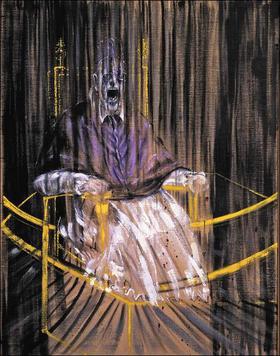
Study after Velázquez's Portrait of Pope Innocent X
Francis Bacon
This is a distorted version of Velázquez's Portrait of Innocent X and represents one of the first in a series of around 50 variants that Bacon created based on the original. The painting depicts the pope screaming within a cage-like structure, representing Bacon's exploration of power, authority, and psychological tension through his characteristic visceral and unsettling imagery.
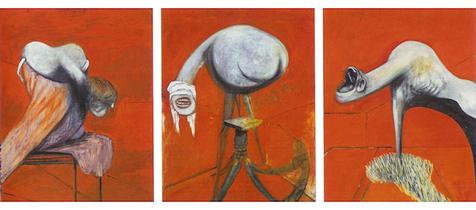
Three Studies for Figures at the Base of a Crucifixion
Francis Bacon
This groundbreaking 1944 triptych depicts three writhing anthropomorphic creatures set against a flat burnt orange background. Considered Bacon's first mature piece, the work caused a sensation when first exhibited and established him as a prominent post-war painter, capturing the horror and trauma of the World War II era.

Figure with Meat
Francis Bacon
A provocative painting based on Velázquez's portrait of Pope Innocent X, depicting the Pope as a gruesome figure placed between two bisected halves of a cow carcass. The work explores themes of salvation, worldly decadence, power, and carnal sensuality through Bacon's characteristic fusion of religious imagery with visceral, unsettling elements.
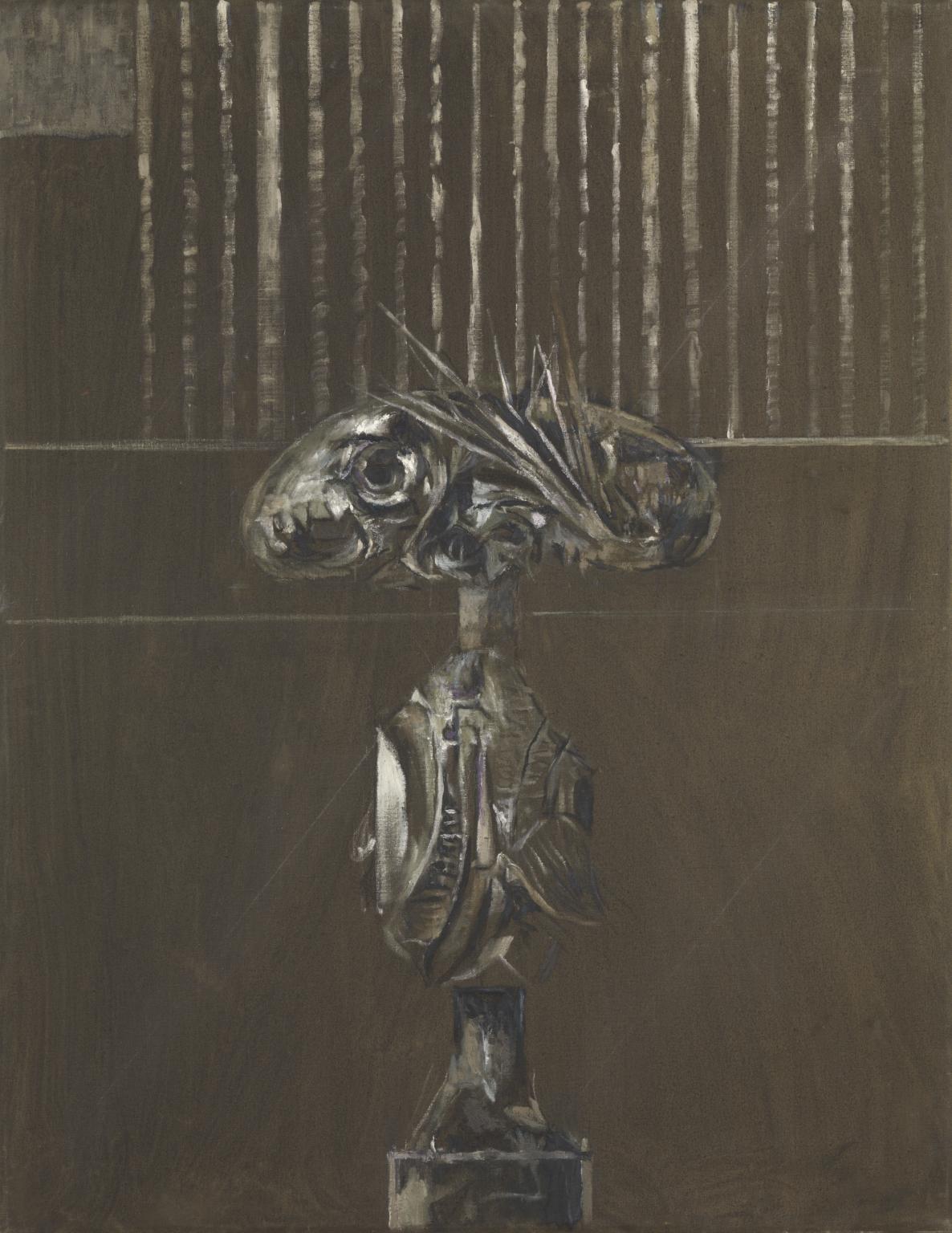
Head III
Graham Sutherland
This surrealist work merges insects and fossils in a hybrid creature form. Created in 1953 and purchased by the Tate the same year, Sutherland later insisted that these hybrid creatures were not intended to be threatening. The painting reflects post-war anxieties and the artist's exploration of organic and geological forms.
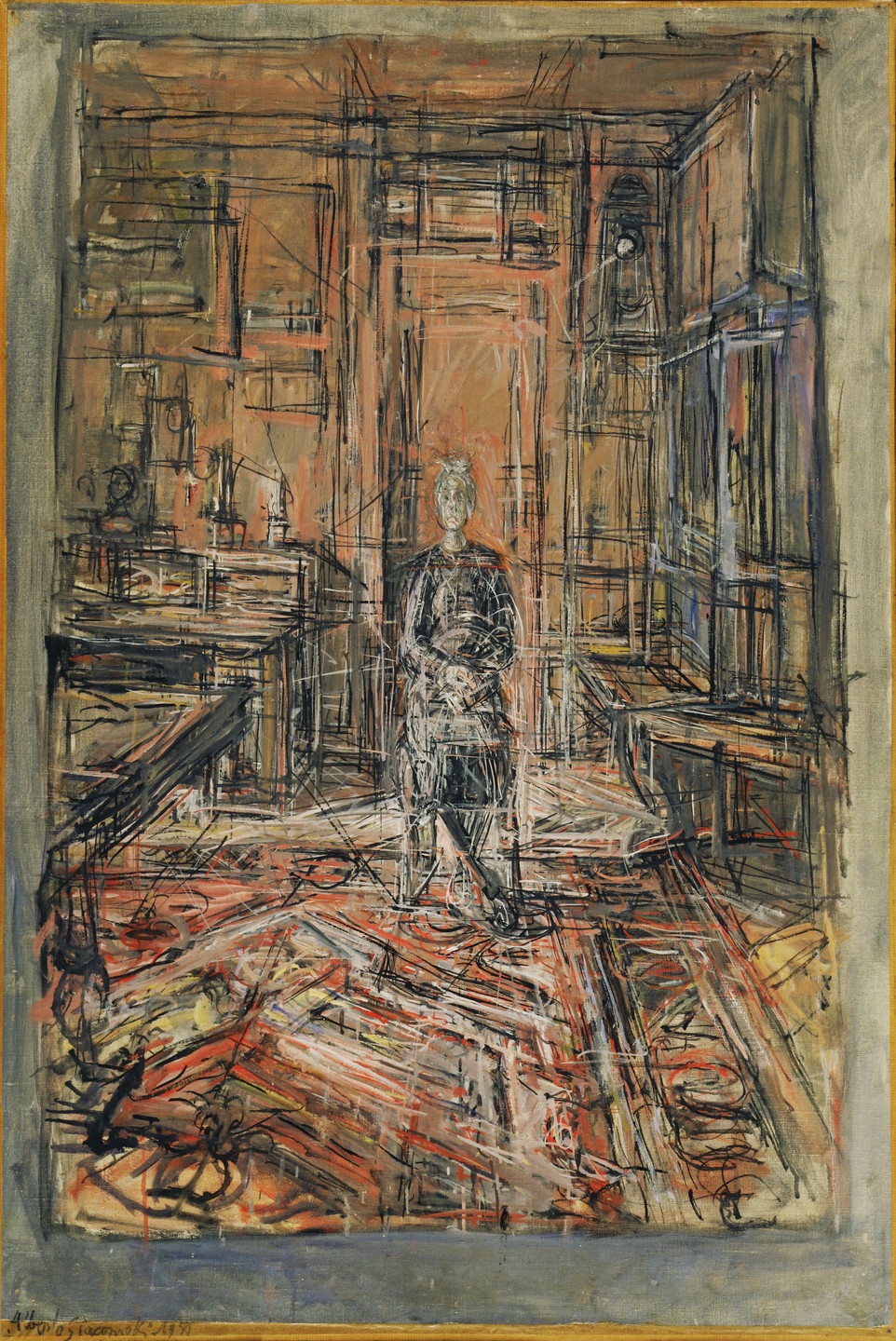
The Artist's Mother
Alberto Giacometti
This portrait depicts Annetta Giacometti, the artist's mother, rendered in Giacometti's characteristic style with elongated forms and muted palette. Acquired by MoMA through the Lillie P. Bliss Bequest (by exchange), the painting demonstrates Giacometti's ability to capture psychological presence and emotional depth through seemingly spare and austere means, reflecting his broader sculptural concerns with representation and perception.
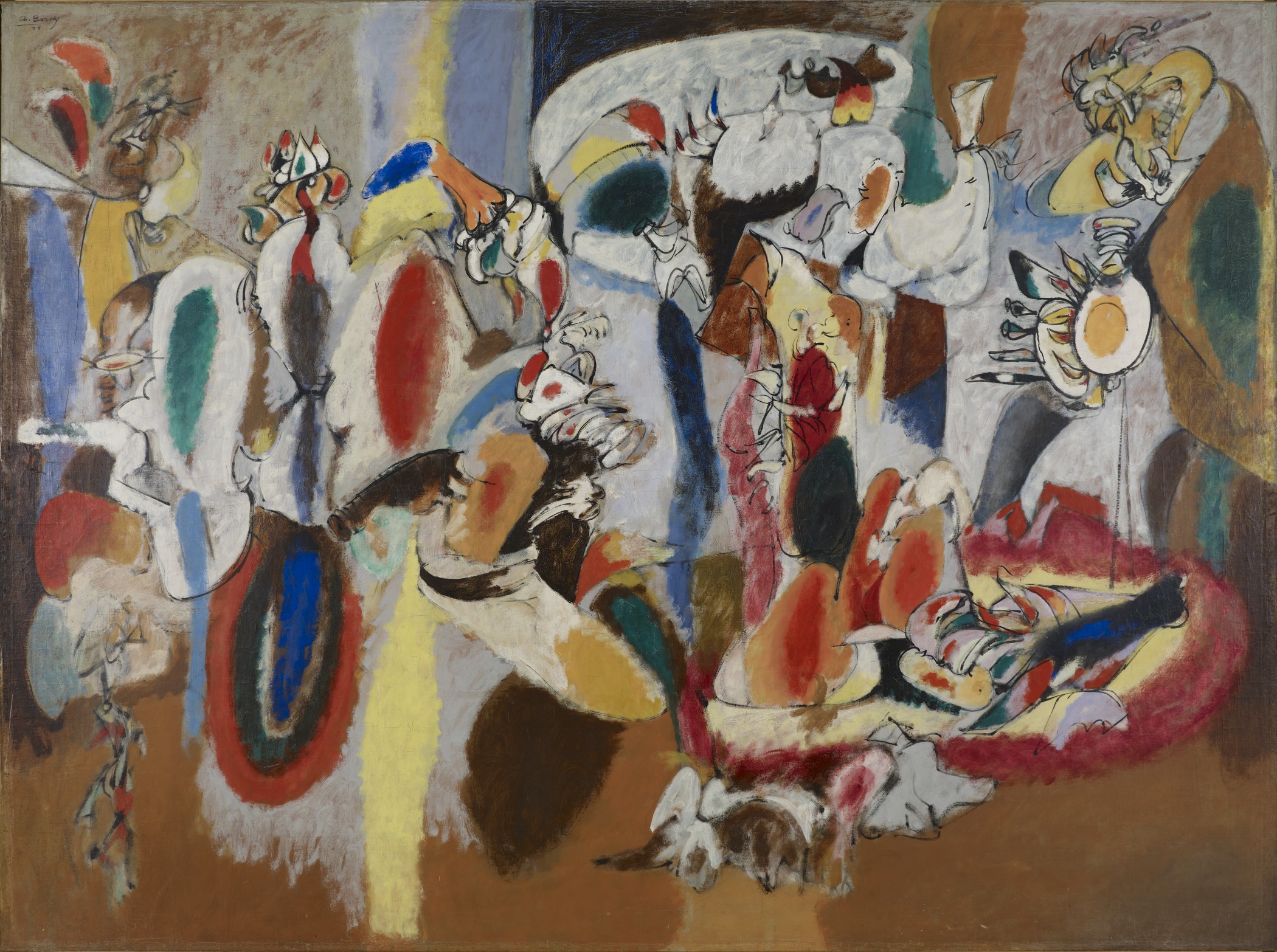
The Liver is the Cock's Comb
Arshile Gorky
This is one of Gorky's largest and most noteworthy paintings, created during a pastoral period that reflects both his physical surroundings and memories of gardens from his Armenian homeland. The work communicates both his painful childhood experience of the Armenian Genocide and the close affinity he felt with nature, exploring complex themes of identity, sexuality, and mythology through abstract forms.
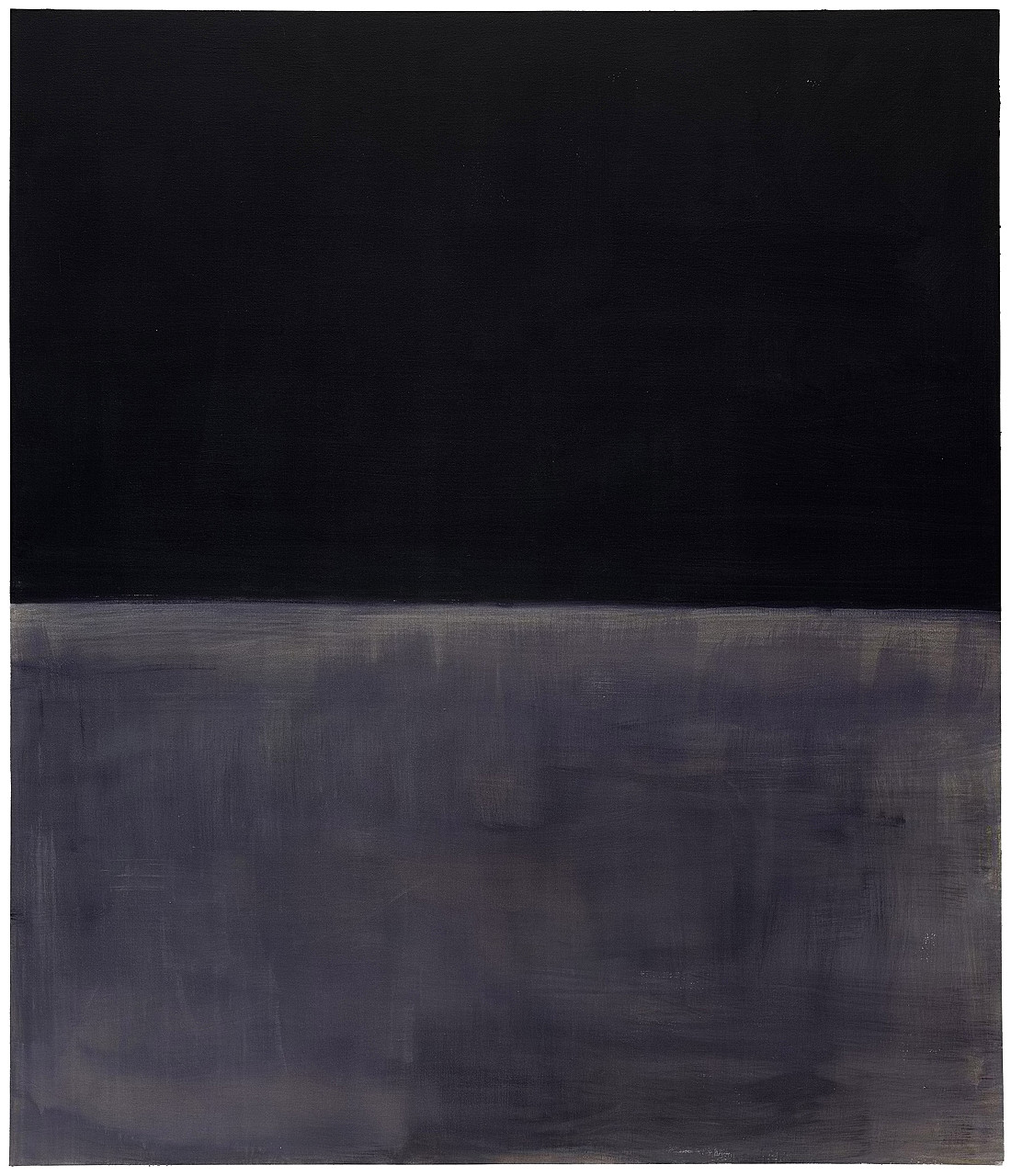
Untitled (Black on Grey)
Mark Rothko
This painting belongs to Rothko's final series created before his suicide in 1970, which he described as being "about death." Painted after recovering from an aortic aneurysm in 1969, the work features a somber palette and stark composition with a distinctive painted white border that sharply demarcates the surface and collapses pictorial space into a flatter plane.

Onement I
Barnett Newman
This seminal work in the Color Field Painting movement features a dark red-brown background divided by a vertical orange "zip" line running down the center, created with masking tape and painted over. Newman viewed this painting as a major breakthrough in his career - the title "Onement" is an archaic derivation of "atonement," meaning "the state of being made into one." For Newman, the zip does not divide the canvas but rather merges both sides, inviting viewers to contemplate concepts of space, unity, and separation through its minimalist yet profound composition.
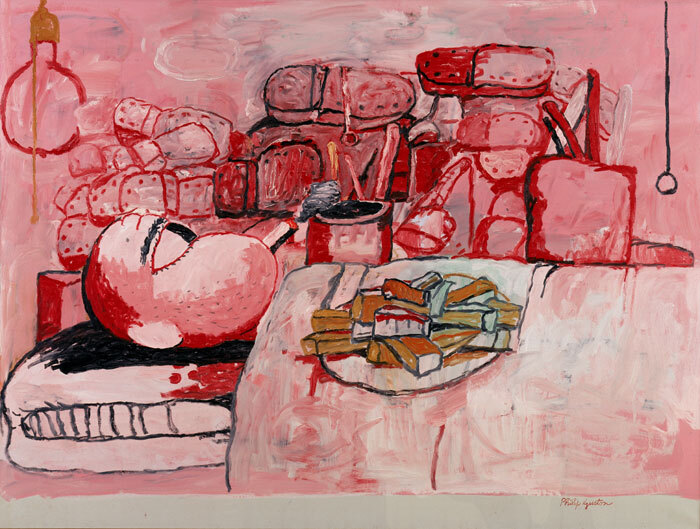
Painting, Smoking, Eating
Philip Guston
This autobiographical work depicts the artist lying in bed, smoking, with a plate of French fries balanced on his chest. The painting explores Guston's personal struggles with health and presents a grotesque, introspective view of his existence, characteristic of his late figurative period where he returned to representational imagery after years of abstract expressionism.

Sulamith
Anselm Kiefer
This monumental painting was inspired by Paul Celan's Holocaust poem "Death Fugue" and grapples with the guilt and horror of Germany's history. The work references two characters from Celan's poem—Marguerite and Sulamith—symbolizing contrasting experiences during the Holocaust. Kiefer's use of straw and mixed media creates a haunting, cavernous architectural space that evokes both remembrance and loss.
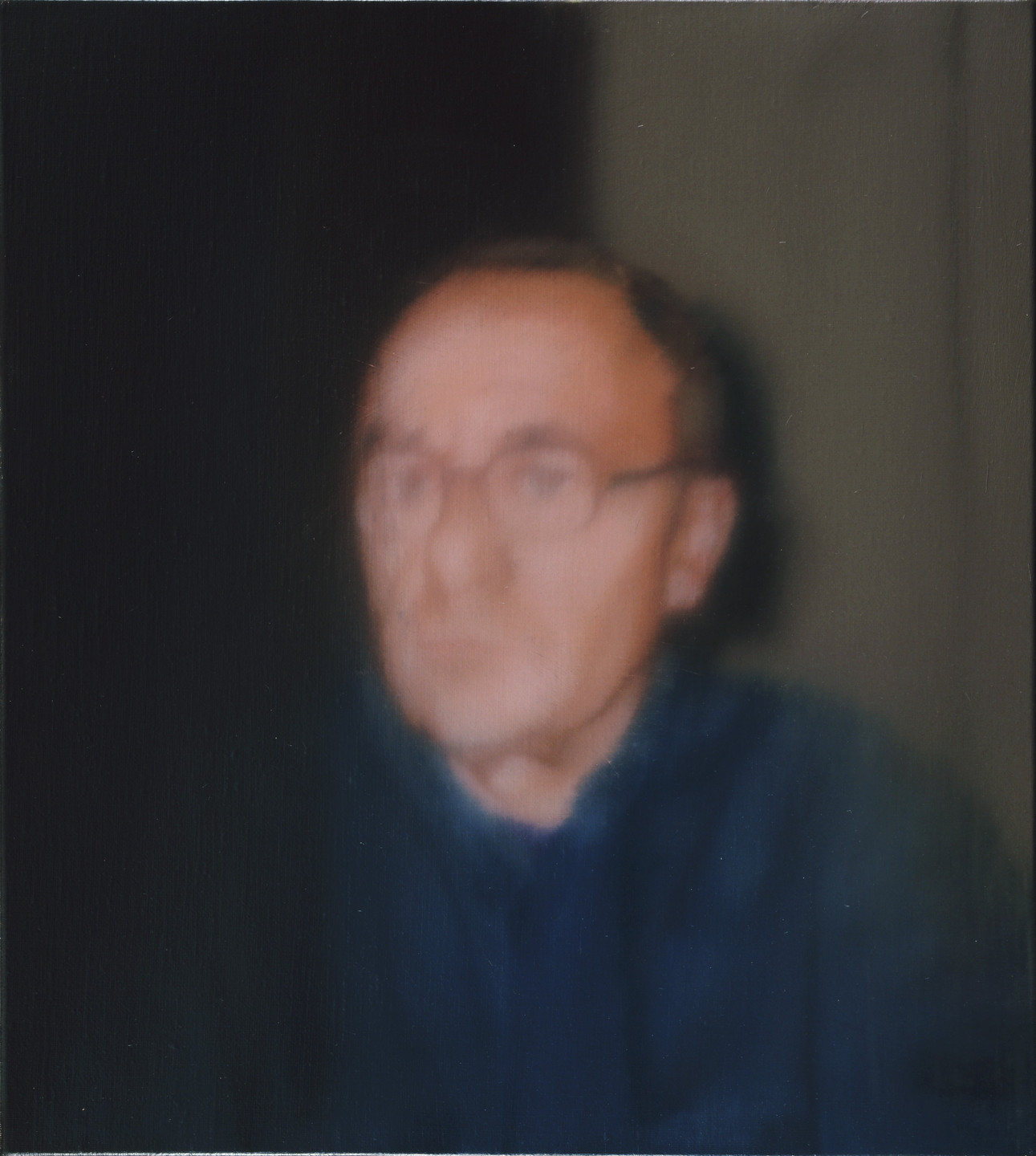
Self-Portrait (gray)
Gerhard Richter
This self-portrait features Richter's characteristic blurred technique, with an averted gaze that creates psychological distance between subject and viewer. By intentionally blurring the image, Richter suggests that painting provides an imprecise representation of reality, making "everything equal, everything equally important and equally unimportant." The work exemplifies his photo-painting approach, where painted images convey the sense of viewing through a camera lens while questioning both photography's and painting's ability to document truth.
House (Haus)
Gerhard Richter
This work depicts an occupied building, part of Richter's series of photo-paintings based on found photographs. The painting is based on imagery from Richter's Atlas sheet 499 and demonstrates his characteristic soft-focus technique applied to architectural subjects. The work explores themes of political activism and urban squatter movements in Germany during the 1980s, while simultaneously questioning the relationship between photographic source material and painted representation.
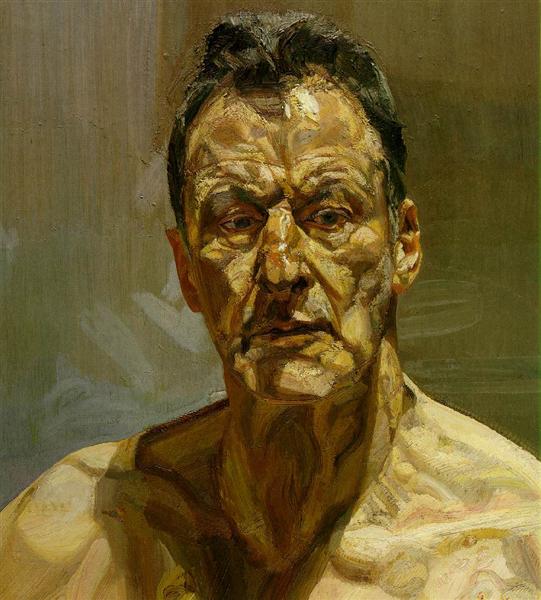
Reflection (Self-portrait)
Lucian Freud
This intimate self-portrait represents Freud's unflinchingly honest approach to depicting the human form, including his own image. Executed in his characteristic expressionist style with thick, meticulous brushwork, the painting captures psychological depth beyond mere physical likeness. The work exemplifies Freud's commitment to painting from life and his ability to reveal vulnerability and humanity through intense observation and rendering.
The Nightwatch
Francis Alÿs
This video work documents a fox that was released into London's National Portrait Gallery in the middle of the night, tracked entirely through the museum's existing CCTV surveillance system. The title ironically references Rembrandt's celebrated painting while examining themes of surveillance, institutional space, and urban wildlife. As the fox wanders through Tudor and Georgian rooms filled with portraits of Britain's elite, Alÿs creates a poetic meditation on observation, institutional authority, and the unexpected presence of nature within controlled cultural spaces.
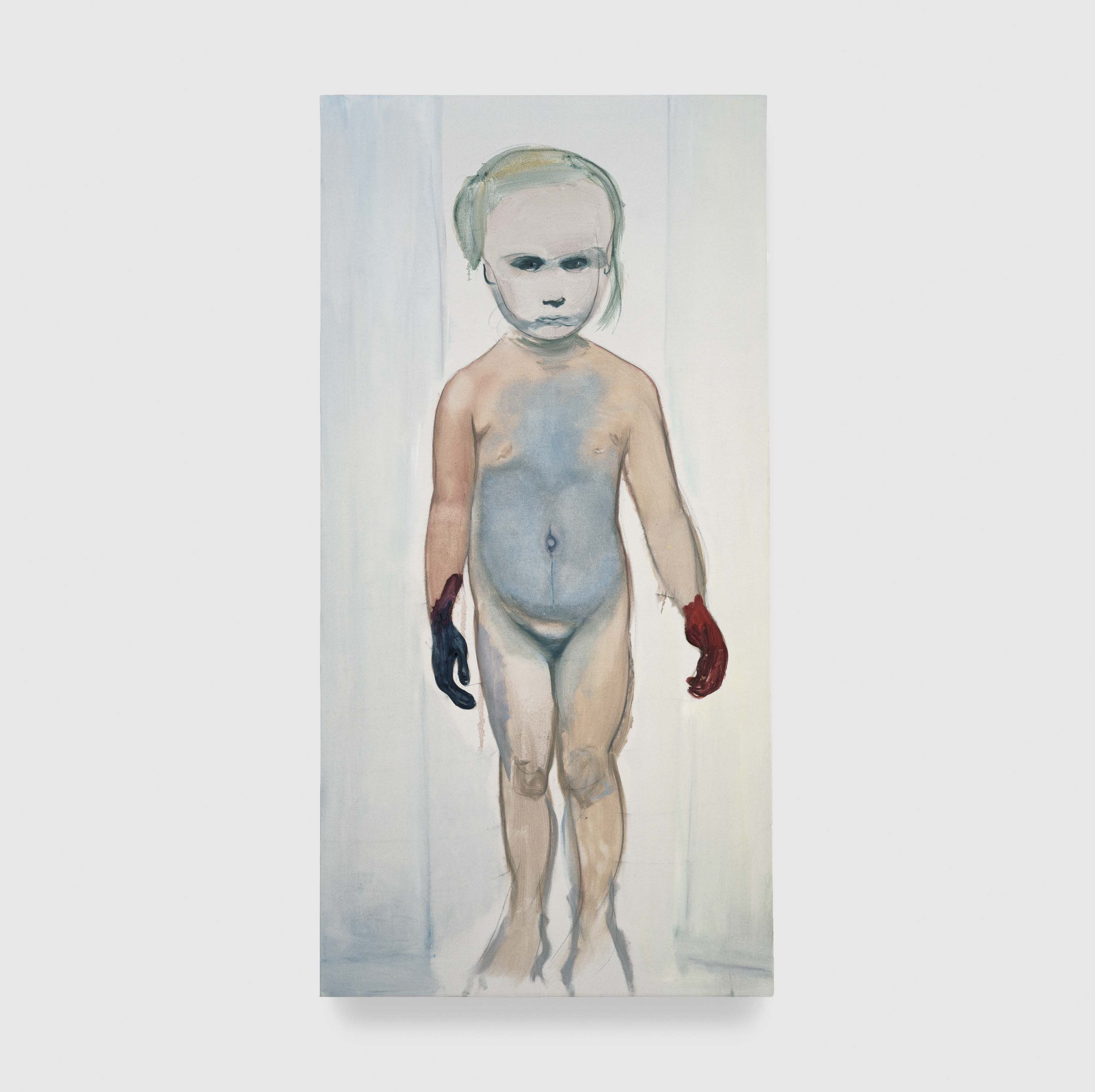
The Painter
Marlene Dumas
This striking portrait is based on a snapshot of Dumas's daughter Helena (age five) finger painting on a hot summer day. The painting depicts a nude child standing with hands stained with vivid splashes of red and black paint that resemble blood, transforming an innocent childhood moment into a raw, almost violent image of the creative process. The generalizing title elevates the young girl into a powerful symbol of artistic creation itself.

Untitled (1968, screaming figure)
Zdzisław Beksiński
This surrealist drawing features an amalgam of distorted human figures intertwined with one another in a haunting, nightmarish composition. The work portrays complex arrangements of figures rendered with meticulous detail, featuring themes related to devils-and-demons and emotional drama. The stark detail and otherworldly atmosphere reflect Beksiński's signature style from the 1960s, exploring human alienation and existential horror through pencil work that predates his famous oil paintings.
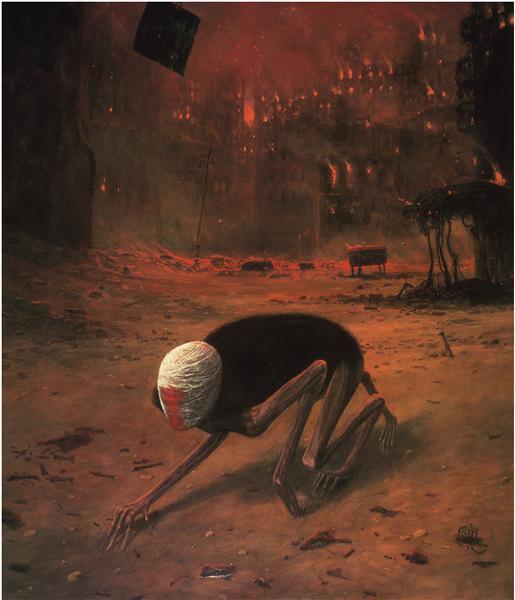
Untitled (The Burning House)
Zdzisław Beksiński
This is considered the most disturbing piece in Beksiński's entire body of over 600 works. The painting depicts a man-creature crawling on all fours across a desolate landscape, apparently fleeing from the ruins of a burning city engulfed in flames in the background. The figure's head is completely wrapped in white gauze bandages marked with a crimson stain where facial features would be. The work represents the collapse of metaphysical meaning and civilization, with the burning cityscape symbolizing the destruction of the post-war world.

Blotter
Peter Doig
This painting depicts the artist's brother standing on a frozen pond in Canada, where Doig was raised. Doig pumped water over the ice to enhance reflections, creating a unique visual effect. The work explores themes of "being absorbed into a place or landscape" through its distinctive soaking paint technique. "Blotter" won the first prize at the John Moores Painting Prize exhibition in 1993, marking a major turning point in Doig's career.
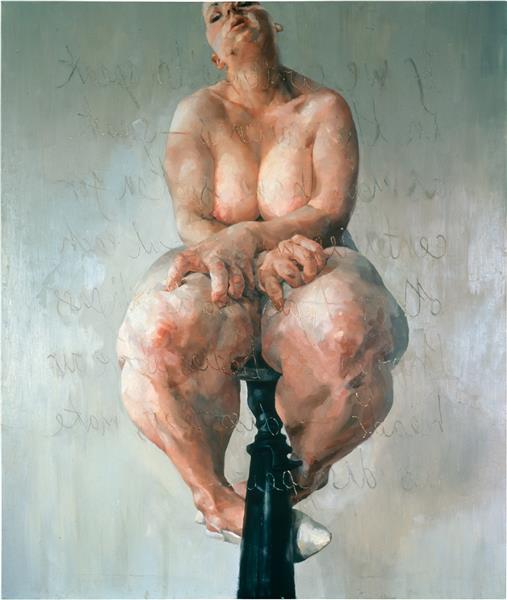
Propped
Jenny Saville
This superlative self-portrait depicts Saville seated in a vulnerable pose, with her monumental body taking up most of the canvas. The work features inverted, illegible text scrawled across the surface, shattering canonized representations of female beauty. Saville describes the work as showing how "traces or memories both physical and psychological are left on the body." First displayed at her degree show in Edinburgh in 1992, its presentation on the front cover of the Times Saturday Review compelled Charles Saatchi to acquire every work by the artist he could obtain.

Infinity Nets No. F
Yayoi Kusama
"No. F" is part of Kusama's groundbreaking Infinity Nets series, which she began after moving to New York City in 1958. The work features small white semi-circles covering the entire canvas with a grey underlay visible as tiny dots, created with thick, white strokes of oil paint that curve irregularly to create an illusion of energy and movement. The series combines serial repetition with an allover painting method, collapsing the distinction between figure and ground and giving equal weight to both the brushstrokes and the holes within them.